PLEASE NOTE: Website is currently under maintenance leading to indiscrepancies. Please Call For pricing.
Before the Sync Button | What It Was Really Like to Be a DJ in the Early 1990s

Explore

What It Was Really Like to Be a DJ in the Early 1990s

Before the Sync Button

Before the Sync Button

When DJs Carried Their Music

Before the Sync Button, being a DJ meant something very different. There were no USB sticks glowing in the booth. There were no stacked waveforms.

Before the Sync Button, there were no sync buttons correcting timing mistakes. DJs relied completely on their skills and experience.

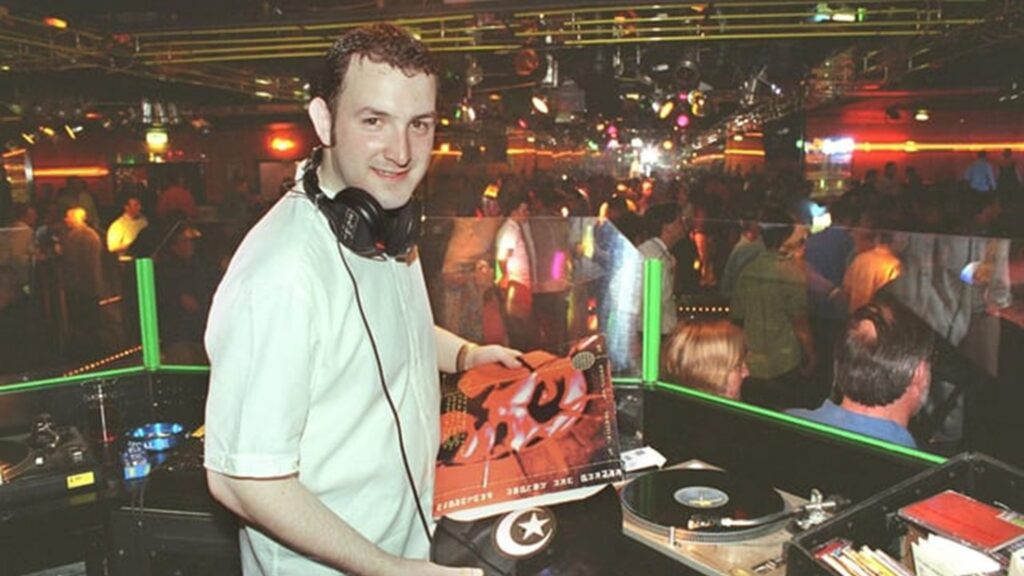
If you were a DJ in the early 1990s, you carried your music. Literally. A proper gig meant crates filled with vinyl records stacked tightly in plastic boxes. These crates could easily weigh more than 20 kilograms. Getting booked meant more than arriving at the venue. You had to load your car and haul your collection inside.

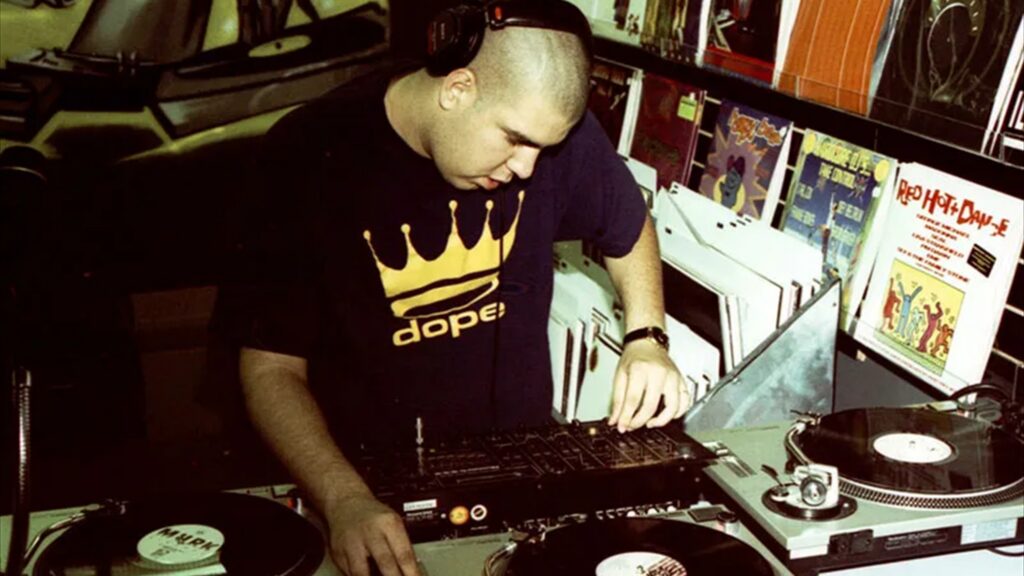
Every record earned its place. There were no playlists or search bars to help you find a track. If you wanted music in your set, you needed to own it physically. DJs spent hours inside record stores flipping through sleeves and listening on shared turntables. Other DJs often waited nearby, hoping to grab the same white label before someone else did.

Before the Sync Button

The Explosion of the Rave Scene

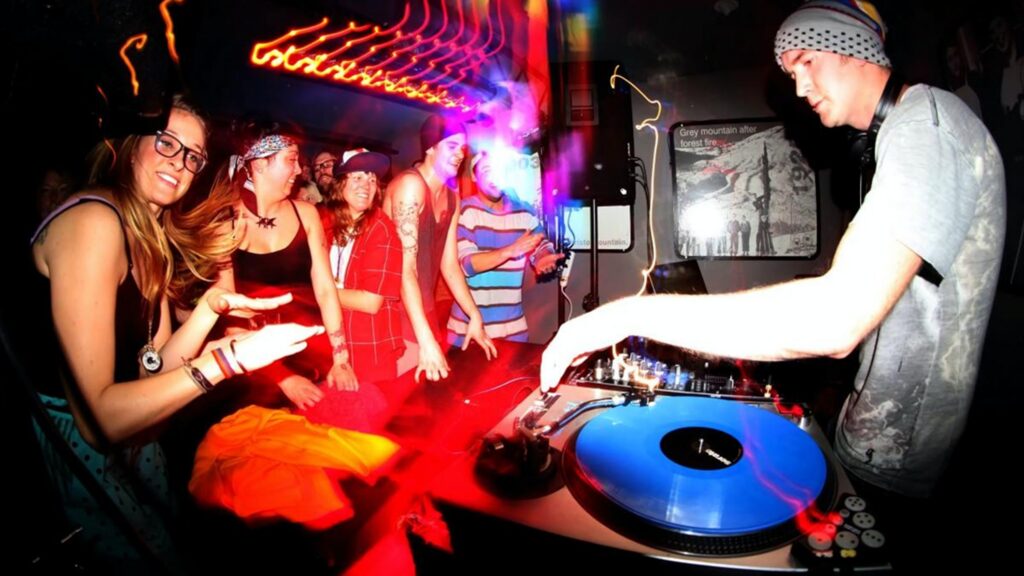
Acid house laid the foundation at the end of the 1980s. By the early 1990s, the rave scene was exploding. Warehouses, open fields and abandoned buildings became dance floors. Dance music moved beyond nightclubs and grew into a cultural movement.

The rave scene also changed how people viewed DJs. They were no longer background figures playing music behind the scenes. DJs became headliners, and promoters started building events around their names.

Before the Sync Button

The Rise of Superstar DJs

The early 1990s introduced the first wave of superstar DJs. Many DJs built brands around their sound and identity. Some began touring internationally, while others moved into production and radio.

Several DJs even crossed into mainstream music recognition. The role of the DJ expanded beyond playing records. DJs were now actively shaping culture and influencing the direction of dance music.

Before the Sync Button

Vinyl vs The Compact Disc

While dance floors felt futuristic, music formats were shifting rapidly. In the early 1990s, the Compact Disc surpassed vinyl in overall popularity.

Despite this shift, vinyl remained dominant inside clubs. Gramophone records continued to be pressed specifically for DJs and underground labels. Many releases appeared in limited runs designed for exclusive DJ use.

Vinyl was more than just a music format. For many DJs, vinyl represented identity, authenticity and dedication. Vinyl was a statement.

Before the Sync Button

The Art of Beatmatching

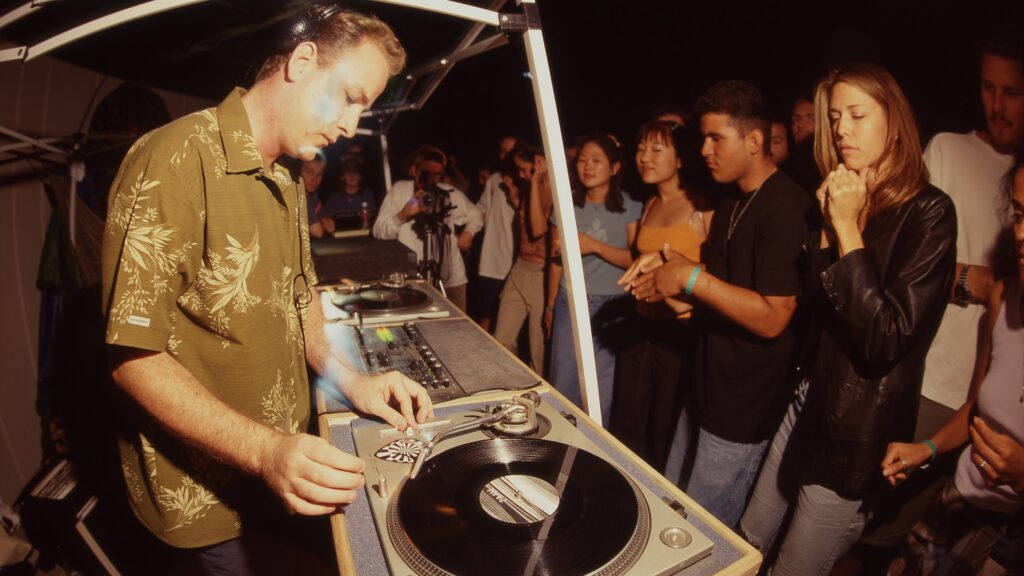
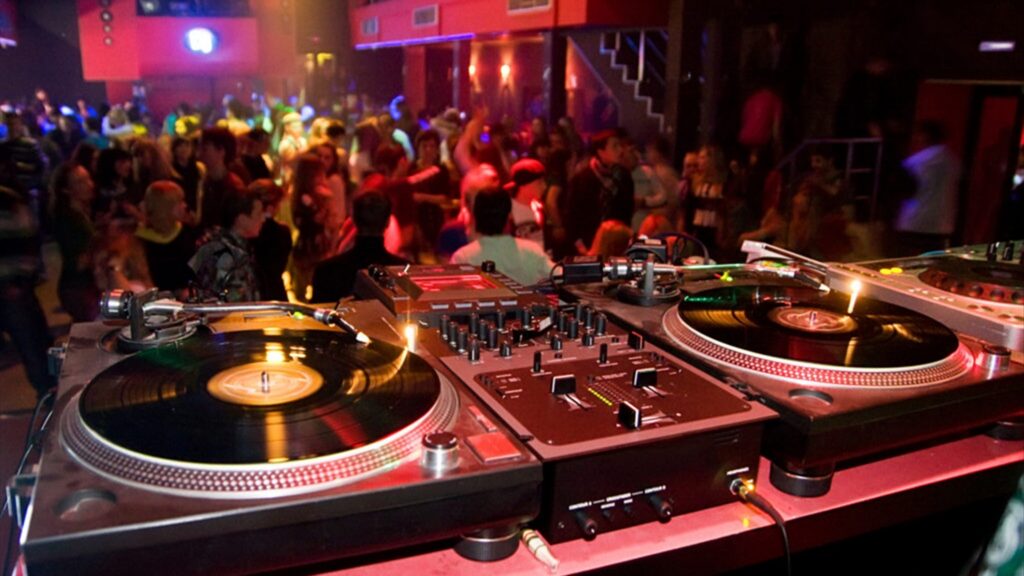
Beatmatching required pure instinct during this era. DJs had no visual grids or digital waveforms to guide them. They relied entirely on ears and touch.

One headphone pressed against one ear while the other listened to the room. One hand adjusted the pitch slider, while the other nudged the spinning vinyl forward or backward.

The process was tactile, physical and deeply human. When two records locked together perfectly, the moment felt earned. When beats drifted apart, there was nowhere to hide.

Before the Sync Button

The Birth of Digital Possibilities

The early 1990s quietly introduced technology that would reshape DJ culture. In 1992, MPEG-1 appeared. This standard eventually gave birth to the MP3 format.

At the time, this technology did not seem revolutionary inside DJ booths. However, the future had already begun.

In 1993, one of the first internet radio stations launched. Music could suddenly broadcast globally from a personal computer. The early foundations of digital DJing had been planted, even though most DJs still worked from vinyl crates.

Before the Sync Button

The DJ Industry Begins to Organize

The DJ world also began organizing professionally. In 1991, Mobile Beat magazine launched, focusing on mobile DJs and the growing industry.

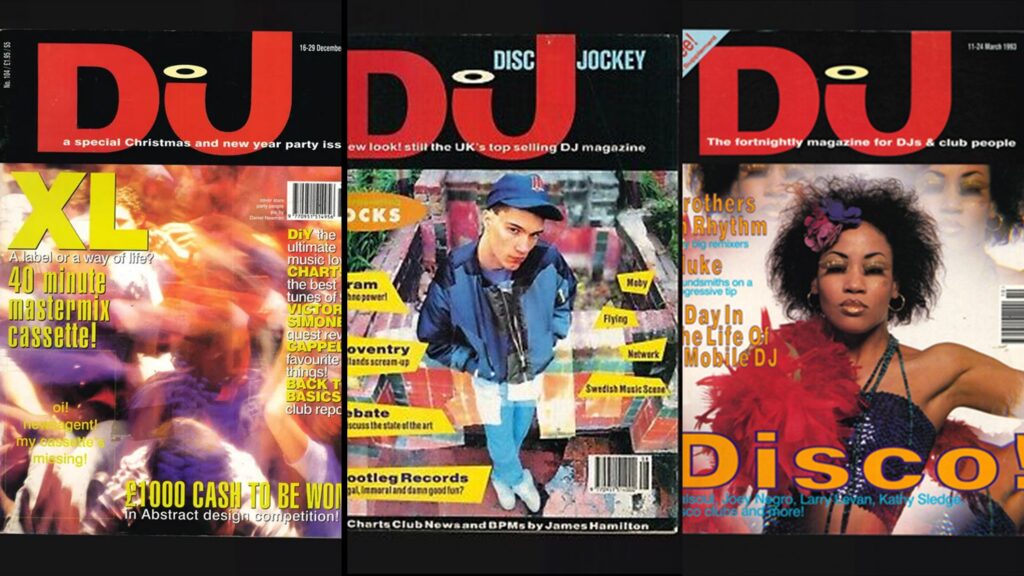
By 1993, DJs appeared in publications like DJ Times, recognizing them as serious entertainers and entrepreneurs.

Before the Sync Button

A Transformative Era in South Africa

In South Africa, the early 1990s brought massive cultural change. Music became a powerful form of expression.

House music surged through townships while Kwaito emerged as a defining local sound. DJs helped shape the soundtrack of a nation redefining itself.

Before the Sync Button

From Crates to USB Sticks

Looking back, the era was simply different.
A needle crackled as it dropped into the groove. Crates pressed heavily against DJ hands, and manual beatmatching added tension in packed rooms.

Over time, crates became hard drives, and later USB sticks.

Today’s DJs have limitless access to music, yet the core skill remains the same. A great DJ still reads the room and understands energy.

Thirty years ago, DJs carried their music in crates. Today, they carry it in their pockets. The tools evolved. The heartbeat stayed the same.

Share this post

ARTICLES

Welcome Back!

Register

Password Requirements:

  • At least 8 characters
  • At least 1 lowercase letter
  • At least 1 uppercase letter
  • At least 1 numerical number