Explore
The Nord Electro 6 HP vs Nord Electro 7 HP
The Evolution of a Stage Classic
Nord Electro 6 HP vs Nord Electro 7 HP
Electro Evolution
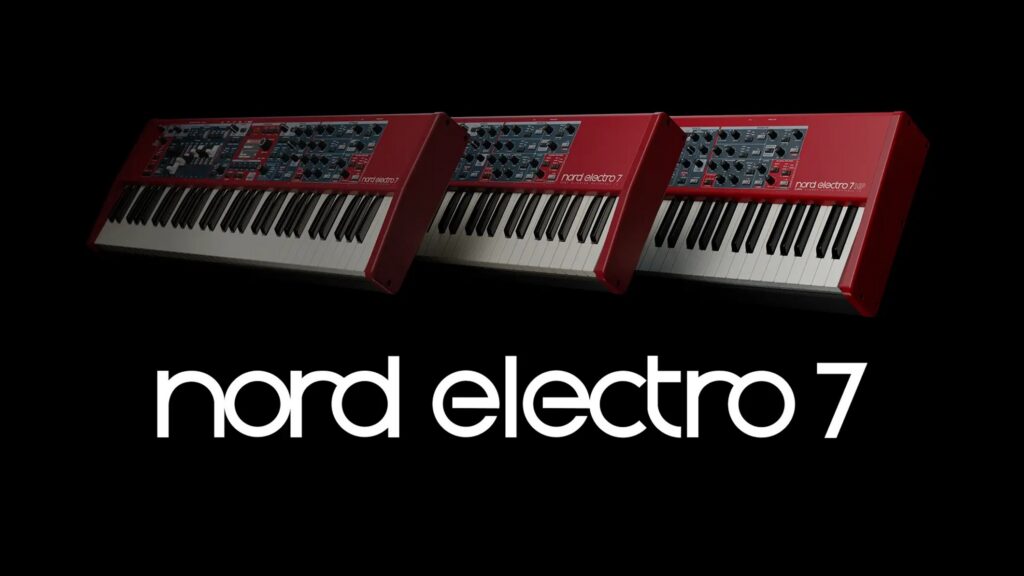
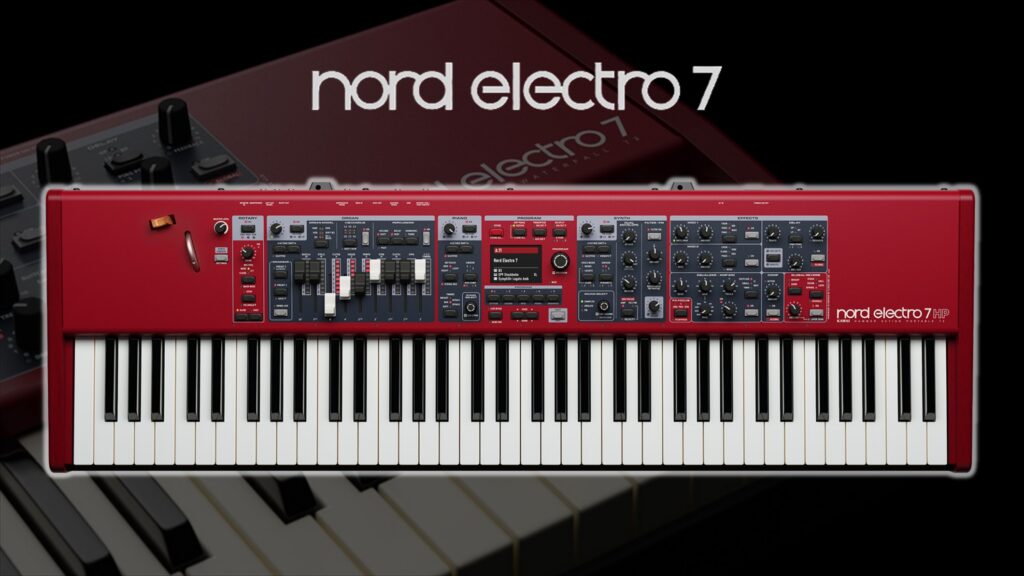
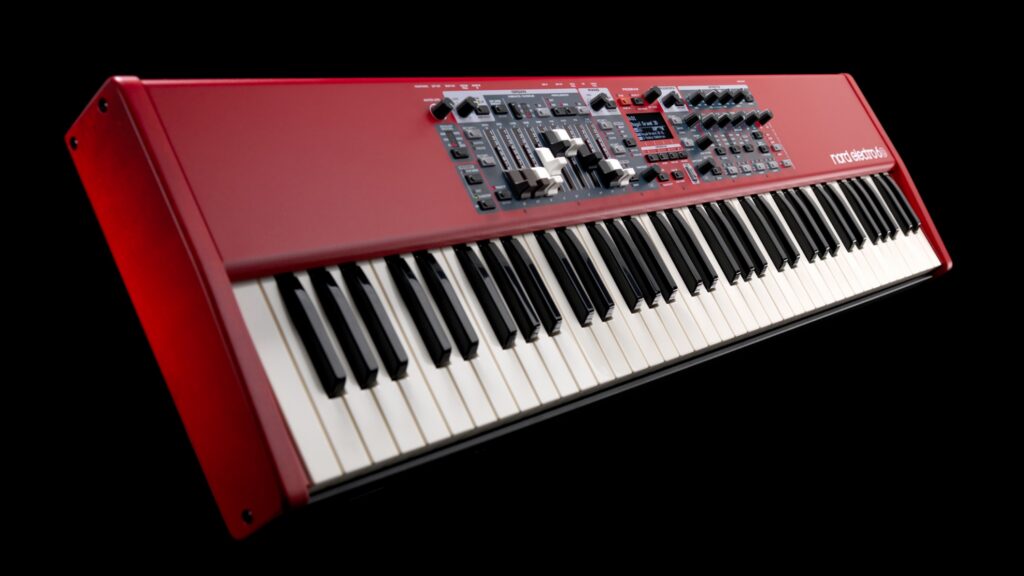
Nord Electro 6 HP vs Nord Electro 7 HP: When Nord players talk about gear that feels right on stage, they mean keyboards that balance tone, touch, and workflow. The Nord Electro 6 HP vs Nord Electro 7 HP comparison shows how Nord continues evolving its trusted performance keyboards. Musicians exploring the Nord Electro 6 HP or Nord Electro 7 HP will quickly notice how both instruments focus on stage-ready sound and intuitive control.
Both keyboards are designed for live and studio performance, but the jump from the Electro 6 HP to the Electro 7 HP is more than a simple update. It introduces greater sonic versatility and deeper control while keeping the Electro line’s signature simplicity.
The Reliable Performance Workhorse
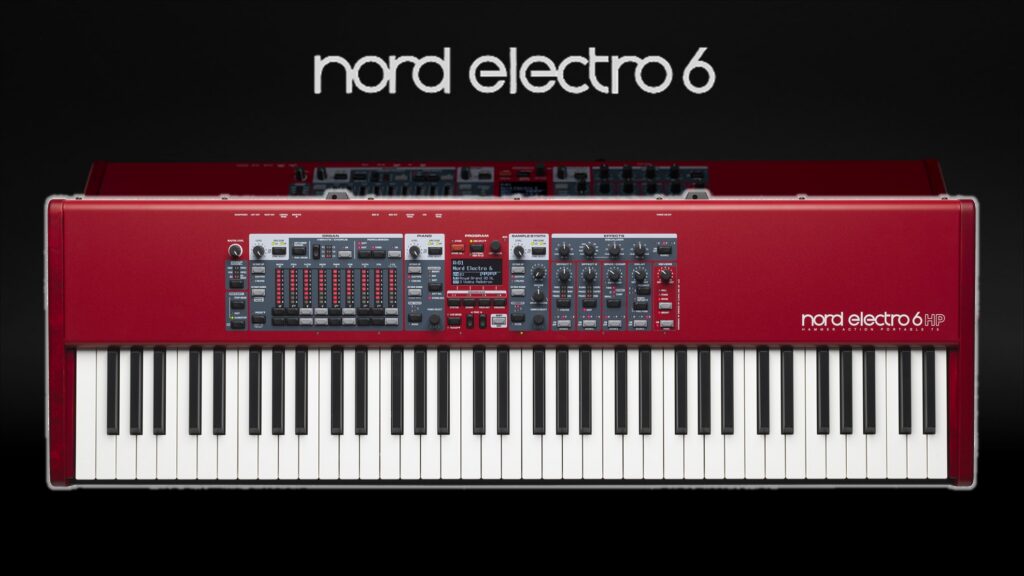
The Electro 6 HP established itself as a dependable performance instrument built around three dedicated sound sections: Piano, Organ, and Sample Synth. This layout gives players immediate access to essential stage sounds.
Its 73-note hammer-action keybed delivers a balanced and expressive feel while keeping the instrument portable enough for regular gigging. Musicians can move easily between performances without sacrificing playability.
Players can split and layer sounds quickly, while the onboard effects remain easy to access during live performances. The keyboard delivers classic Nord piano and organ tones that cut through any mix.
Because of this reliability, the Electro 6 HP became a trusted choice for worship teams, touring musicians, and studio professionals.
Expanded Sonic Possibilities
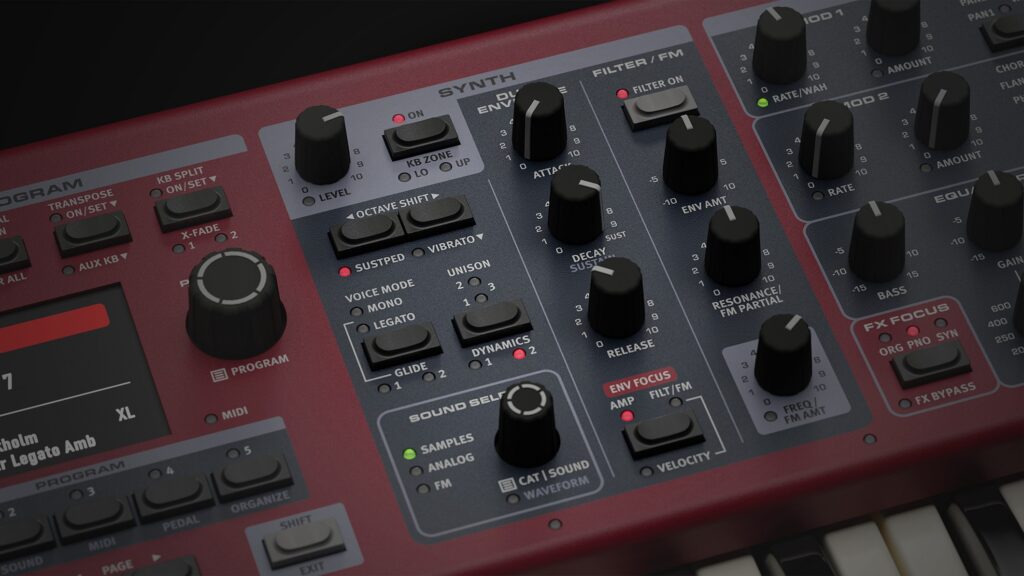
The Electro 7 HP builds on the trusted design of its predecessor and expands its sonic capabilities. The most significant upgrade appears in the enhanced Synth Section, which introduces expanded waveforms, FM capabilities, and deeper filter control.
These additions allow players to move beyond sampled textures and explore more dynamic synthesised tones during performances and recordings.
A larger colour display improves navigation, allowing players to manage complex splits and layers more easily on stage. The interface feels faster and more intuitive during live performance situations.
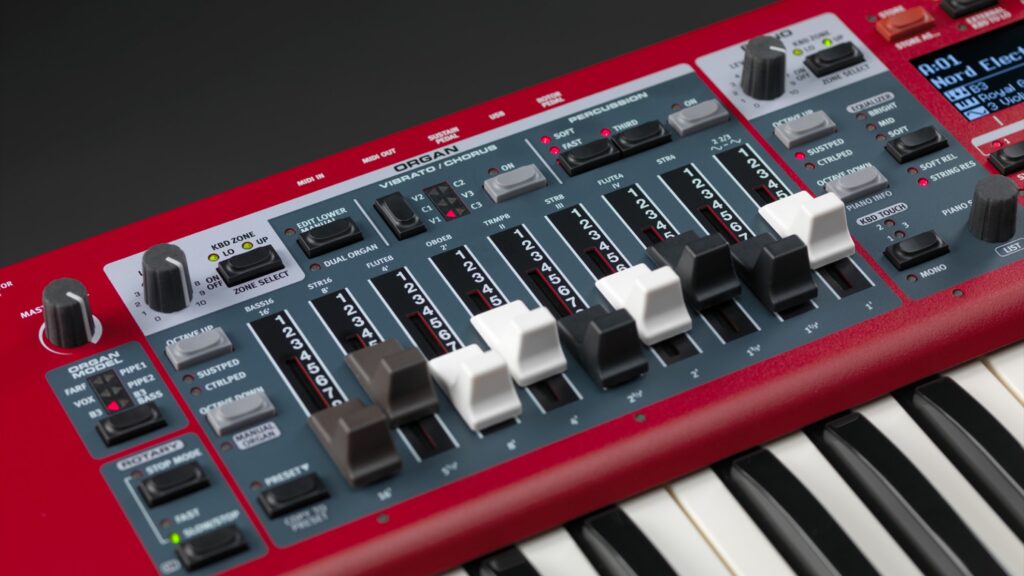
The organ section also benefits from refined drawbar control with LED indicators, giving players clearer visual feedback. In addition, enhanced effects routing allows greater tonal sculpting for each individual sound section.
Choosing the Right Performance Tool
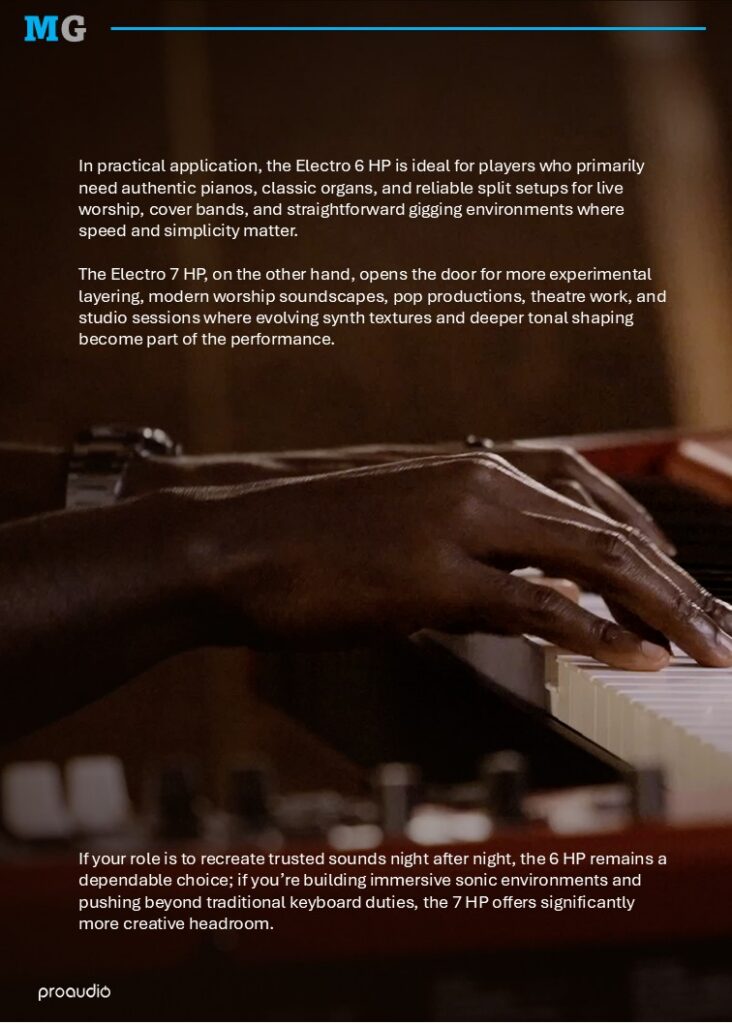
In practical performance environments, the Electro 6 HP suits players who need authentic pianos, classic organs, and reliable split setups. It works especially well in live worship settings, cover bands, and straightforward gigging environments where speed and simplicity remain essential.
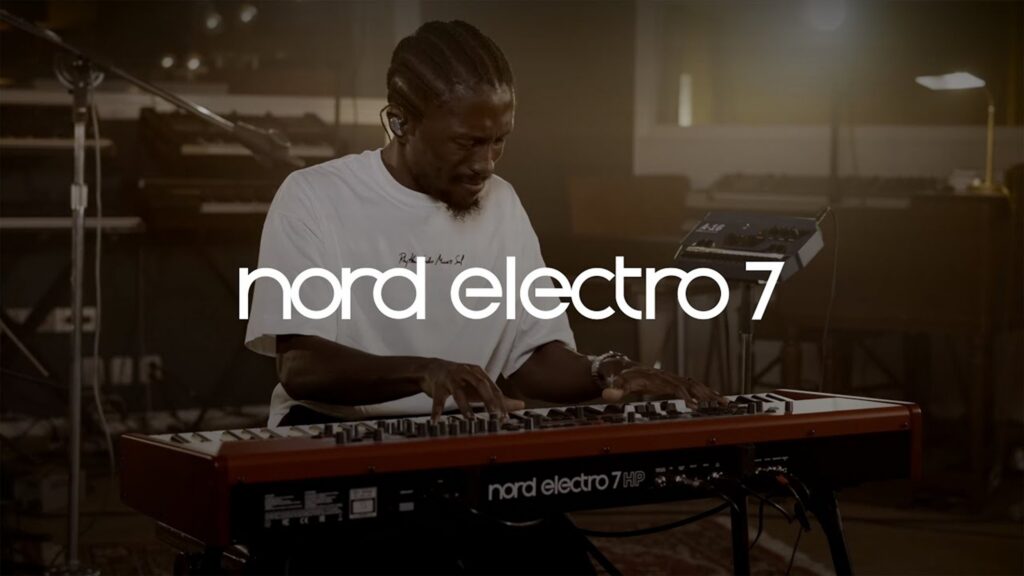
The Electro 7 HP, however, opens the door to more creative exploration. Musicians can build experimental layers, evolving synth textures, and immersive soundscapes.
This expanded flexibility supports modern worship arrangements, pop productions, theatre performances, and studio sessions where sound design becomes part of the performance.
The Electro 6 HP suits players who need authentic pianos, classic organs, and reliable split setups.
The Electro 7 HP, however, opens the door to more creative exploration. Musicians can build experimental layers, evolving synth textures, and immersive soundscapes.
Refined Playability and Control
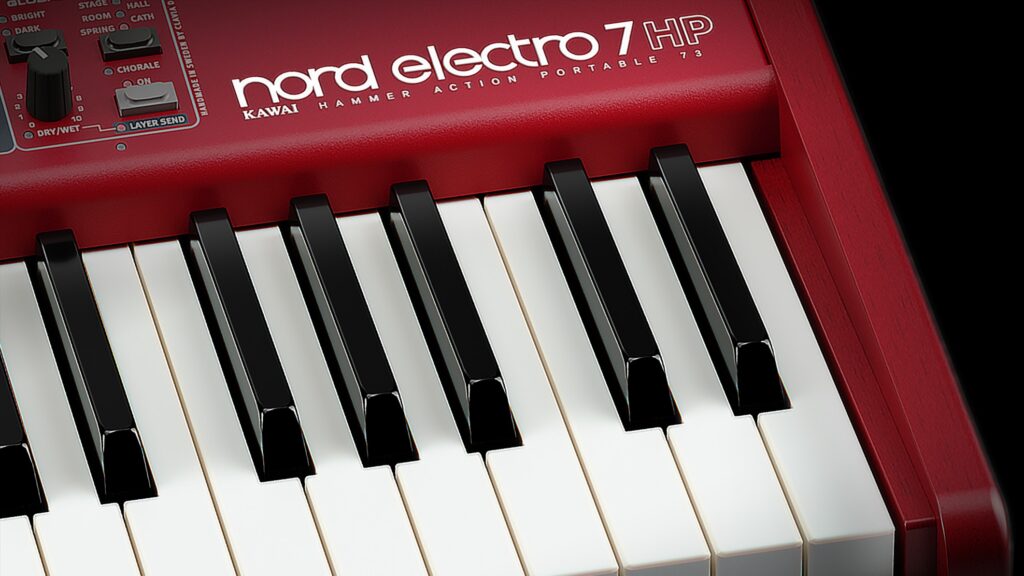
Both instruments feature a 73-note hammer-action keybed, providing expressive response and consistent performance feel.
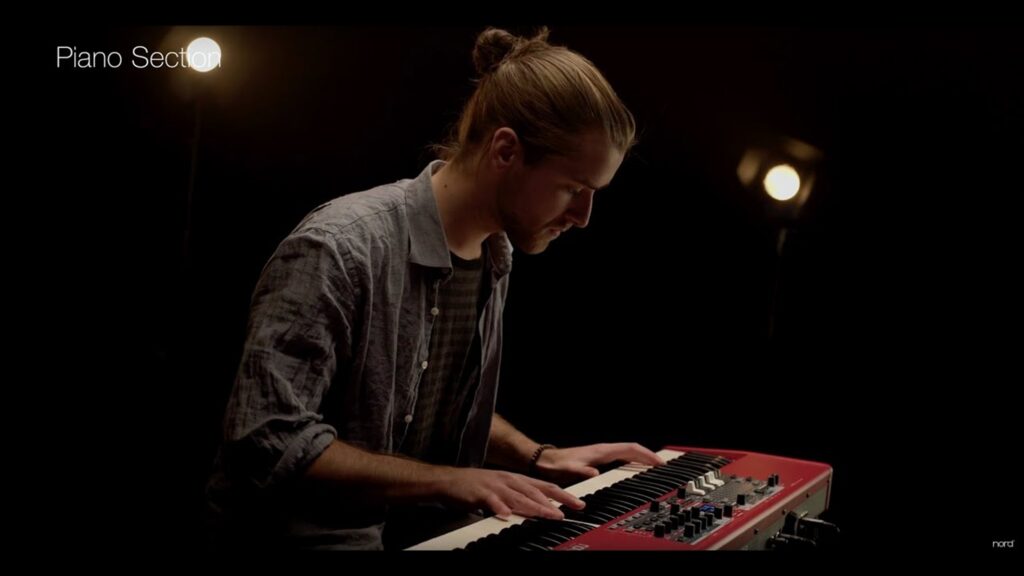
The Electro 7 HP introduces a refined triple-sensor action, which delivers smoother response and improved dynamic control. Players will especially notice this improvement during nuanced piano passages and expressive playing styles.
A Modern Evolution of a Classic
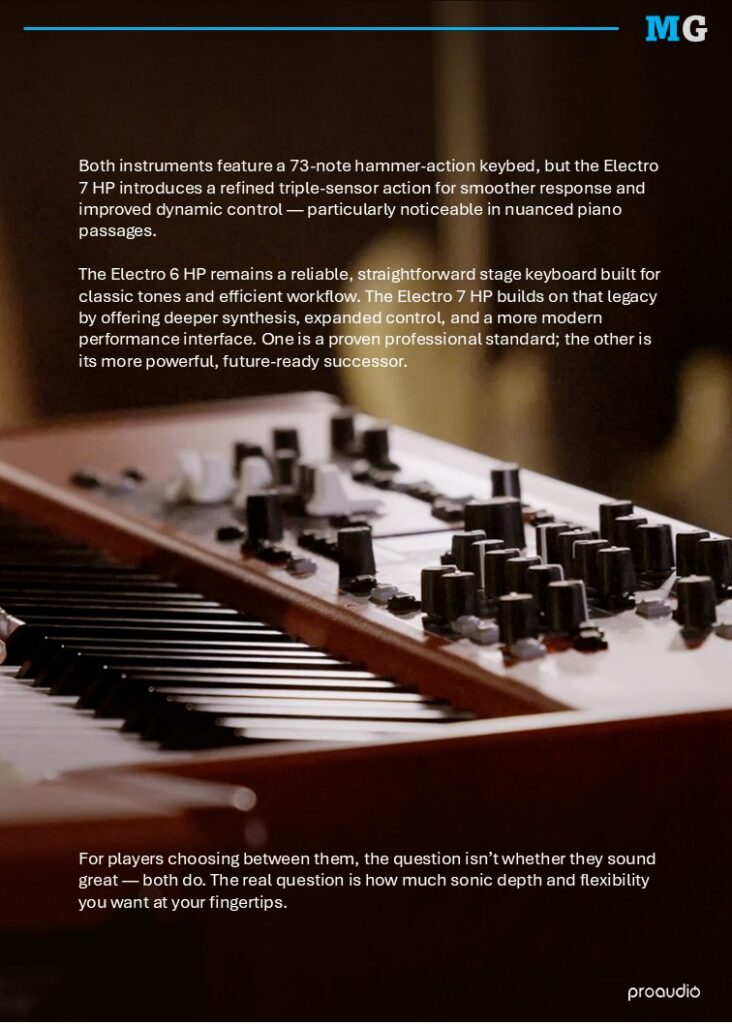
The Electro 6 HP remains a reliable and straightforward stage keyboard built for classic tones and efficient workflow. It continues to serve musicians who value speed, simplicity, and proven performance reliability.
The Electro 7 HP builds on that legacy by introducing deeper synthesis, expanded control, and a more modern performance interface. One instrument represents a proven professional standard, while the other stands as its more powerful and future-ready successor.
For musicians deciding between them, the real question is not sound quality. Both instruments deliver outstanding tones. The decision ultimately depends on how much sonic depth and creative flexibility you want available during your performances.
Visit Proaudio today to read more about the Electro Evolution!
Share this post
ARTICLES

Jerry Cantrell’s Gibson Tone | The Sound of Grit and Melody
Explore Jerry Cantrell’s iconic tone with Gibson Les Paul guitars that shaped grunge and modern rock.

PowerWorks MERCURY-12A PRO 12” Column Speaker System | Powerful, Clear, and Versatile
Experience powerful, clear sound with the PowerWorks MERCURY-12A PRO 12” Column Speaker System. Ideal for DJs and live events.

Gibson Les Paul Studio Modern Smokehouse Satin | A Modern Classic for Stage and Studio
Discover the Gibson Les Paul Studio Modern Smokehouse Satin with advanced electronics, lightweight design, and versatile tone.

An Interview with Ms Cosmo | Breaking Boxes and Building Legacy
Discover An Interview with Ms Cosmo exploring her journey, challenges, and legacy in South Africa’s music industry.

Michael Wilson-Trollip’s Music Journey | From Studio Precision to Stadium Energy
Discover Michael Wilson-Trollip’s music journey blending studio precision with live performance energy in South Africa.

Midas Heritage D HD-96 Digital Console | Legendary Sound at Modern Scale
Explore the Midas Heritage D HD-96, a powerful 96 kHz digital console built for large-scale live sound and professional productions.