Discover
Gibson Les Paul vs Epiphone Les Paul
What’s the Real Difference?
Gibson Les Paul vs Epiphone Les Paul
What’s the Real Difference?
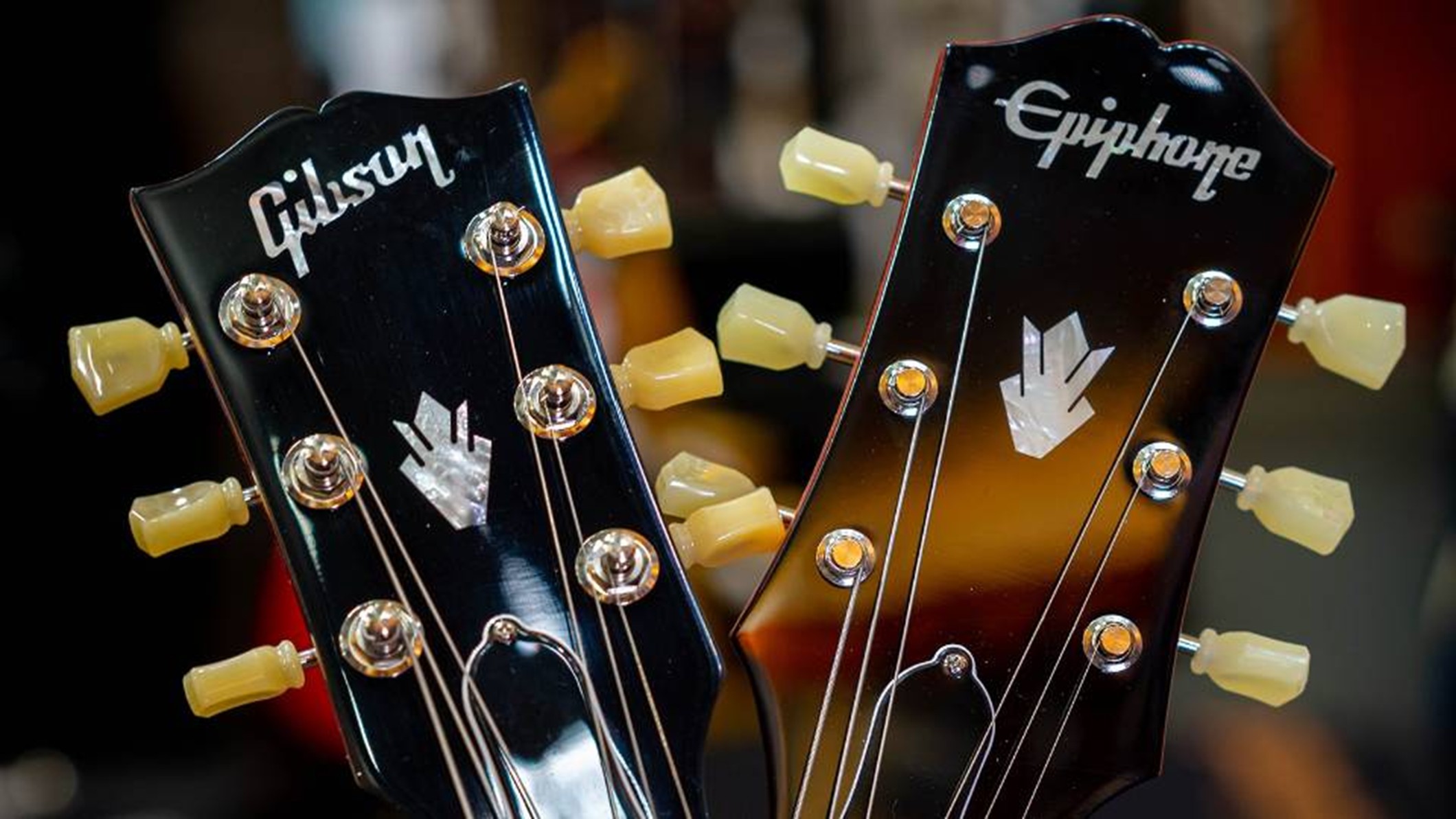
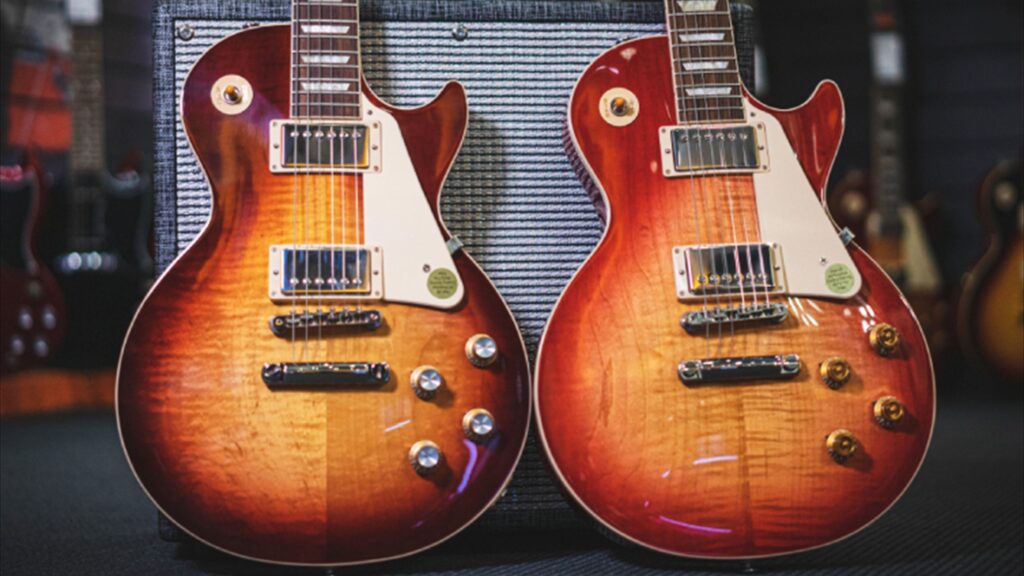
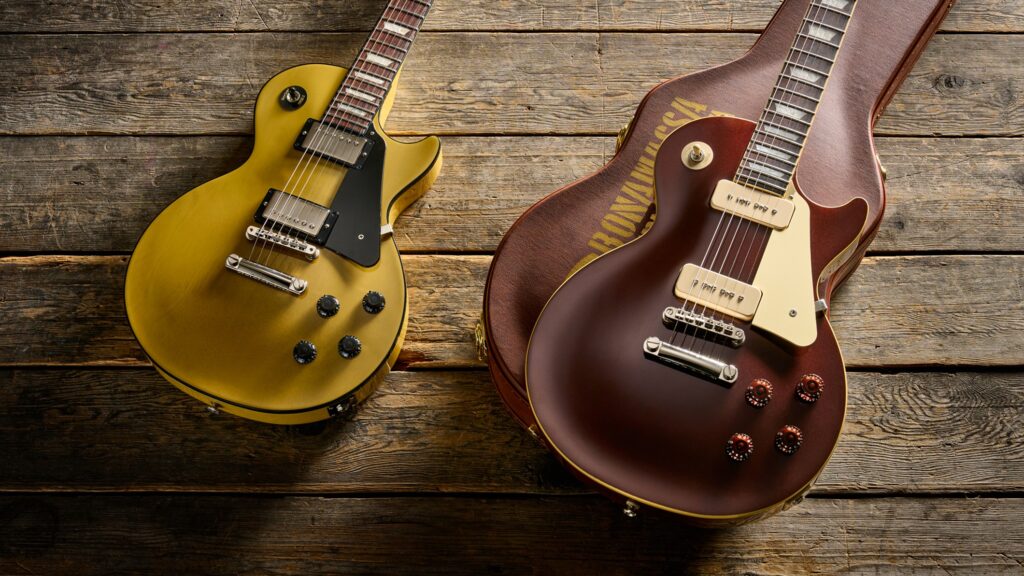
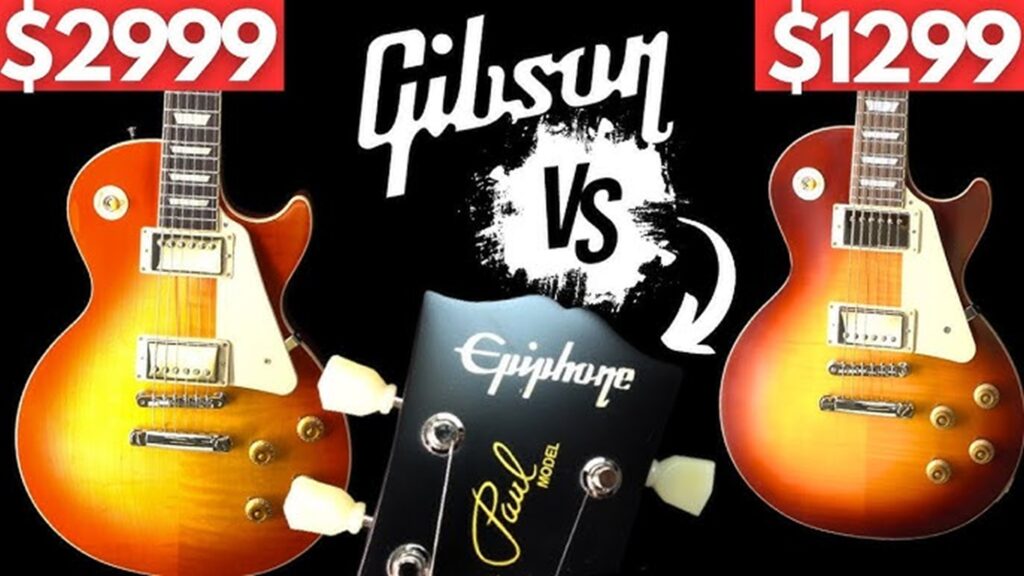
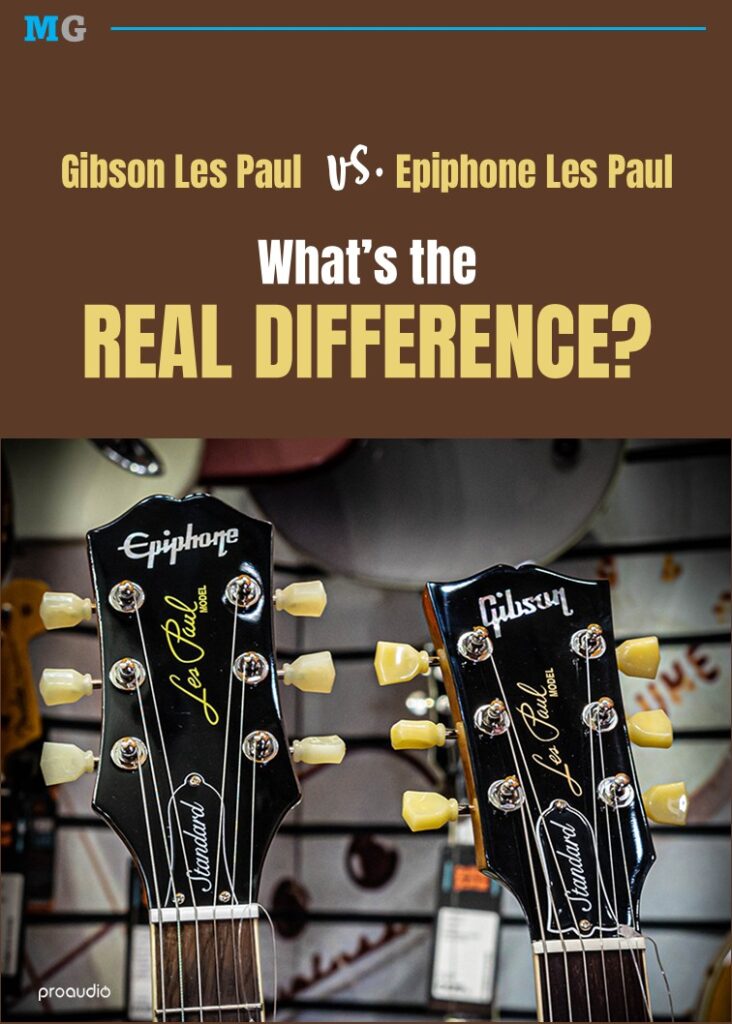
Few comparisons in the guitar world spark as much debate as Gibson Les Paul vs Epiphone Les Paul. These two guitars share the same legendary shape, design, and spirit under the same parent company. Yet, they exist in completely different price ranges. So, what truly separates these iconic instruments? The Gibson Les Paul vs Epiphone Les Paul discussion dives deep into craftsmanship, tone, and value.
Build and Craftsmanship
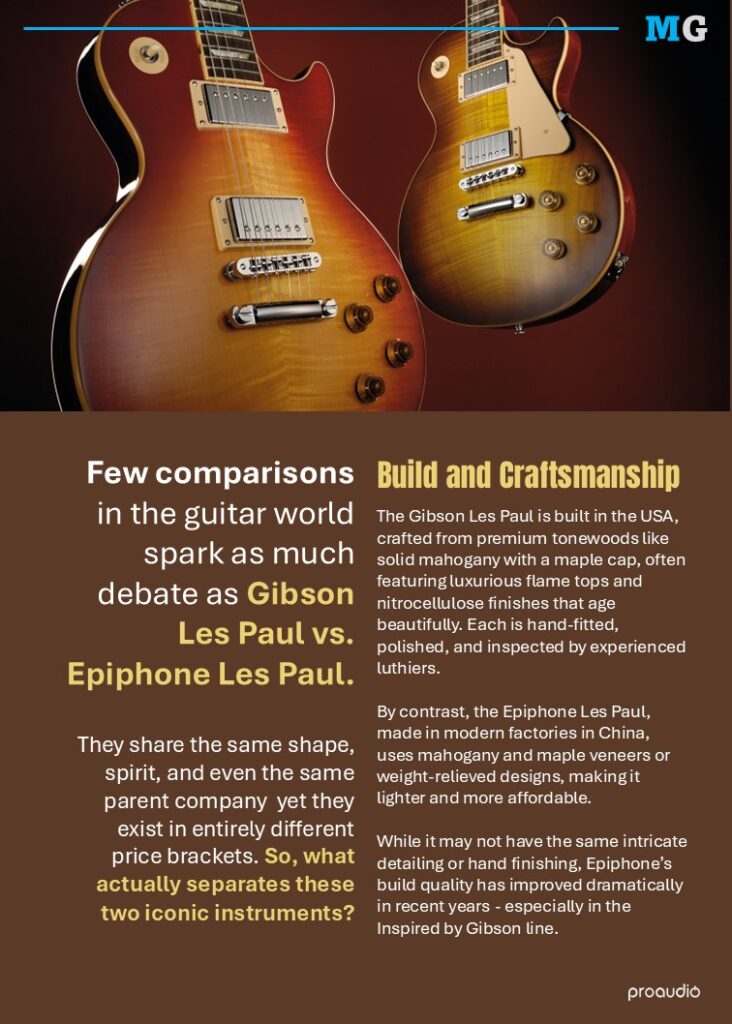
The Gibson Les Paul is proudly built in the USA using premium tonewoods like solid mahogany with a maple cap. Many feature stunning flame tops and nitrocellulose finishes that age gracefully over time. Each guitar is hand-fitted, polished, and inspected by expert luthiers to ensure perfection.
By contrast, the Epiphone Les Paul is made in advanced factories in China, using mahogany and maple veneers or weight-relieved designs. This makes it lighter, more accessible, and budget-friendly. Though it may not match Gibson’s intricate hand-finishing, Epiphone’s craftsmanship has improved tremendously, particularly with the Inspired by Gibson series.
Electronics and Tone
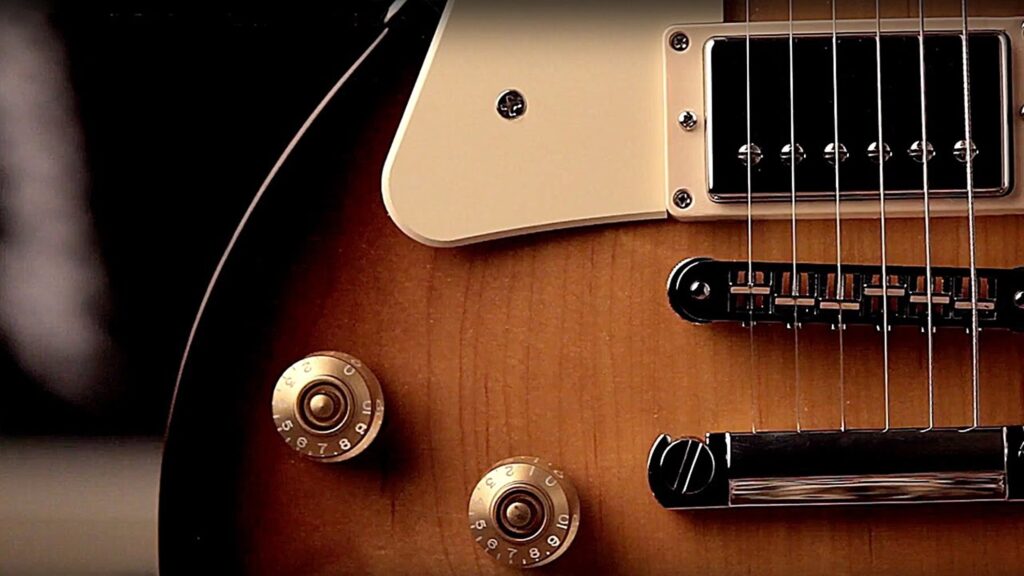
A Gibson Les Paul comes equipped with Burstbucker, 490R/498T, or Custombucker pickups. These deliver rich mids, crisp highs, and that unmistakable Les Paul sustain. Its hand-wired electronics and premium pots allow refined tonal control and exceptional response.
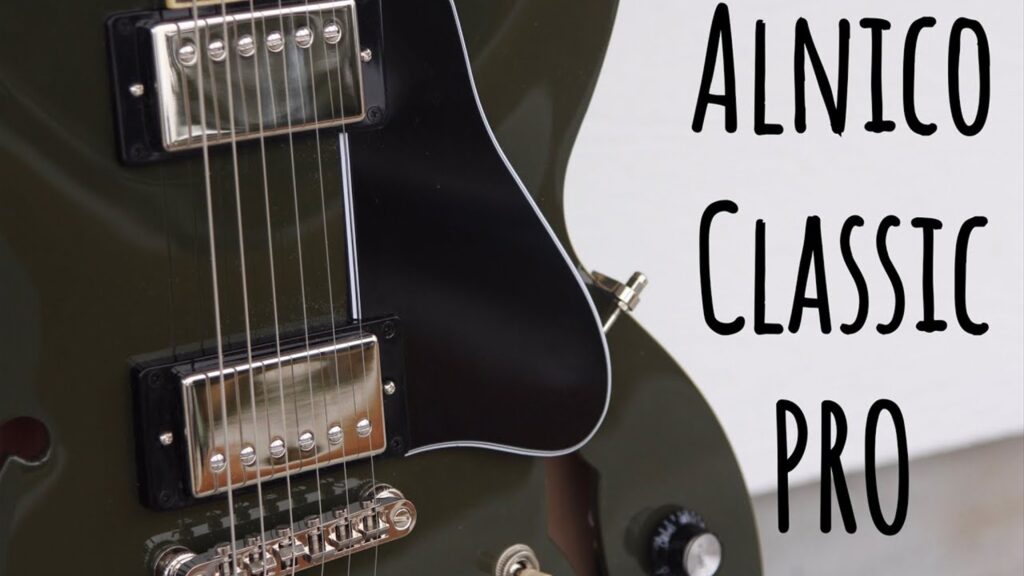
An Epiphone Les Paul, on the other hand, features ProBucker or Alnico Classic humbuckers inspired by Gibson’s legendary PAFs. These pickups offer powerful and articulate tones ideal for both studio and stage use. Plugged into a quality amp, Gibson delivers deeper harmonic complexity, while Epiphone provides an authentic, slightly brighter tone with a bit less resonance – but still undeniably Les Paul.
Price, Feel, and Playability
A Gibson Les Paul can range from R40,000 to over R100,000, depending on the model and finish. The Epiphone Les Paul typically sits between R8,000 and R20,000, offering incredible value for money.
Gibson necks often feature a rounded vintage profile, offering a traditional feel. Epiphone models lean toward slimmer necks for modern playability. Many players also appreciate the lighter weight of Epiphone models during long performances, making them ideal for touring or gigging musicians.
The Final Verdict
If you desire heritage, handcrafted detail, and refined tonal richness, the Gibson Les Paul is the ultimate choice.
If you want unbeatable value, authentic looks, and dependable performance, the Epiphone Les Paul stands strong.
Both guitars proudly carry the Les Paul legacy. One offers a luxurious experience, the other delivers exceptional practicality. No matter which you choose, that iconic single-cut design connects you to decades of musical history.
Visit Proaudio today and read more about Gibson and Les Paul guitars.
#ProaudioSA #MusicGearMagazine #GibsonLesPaul #EpiphoneLesPaul #GibsonGuitars #EpiphoneGuitars #GuitarComparison #LesPaulLegacy #GibsonVsEpiphone
Share this post
ARTICLES

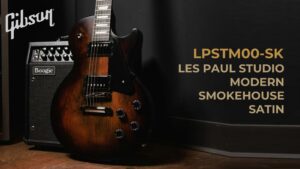
Gibson Les Paul Studio Modern Smokehouse Satin | A Modern Classic for Stage and Studio
Discover the Gibson Les Paul Studio Modern Smokehouse Satin with advanced electronics, lightweight design, and versatile tone.

An Interview with Ms Cosmo | Breaking Boxes and Building Legacy
Discover An Interview with Ms Cosmo exploring her journey, challenges, and legacy in South Africa’s music industry.

Michael Wilson-Trollip’s Music Journey | From Studio Precision to Stadium Energy
Discover Michael Wilson-Trollip’s music journey blending studio precision with live performance energy in South Africa.

Midas Heritage D HD-96 Digital Console | Legendary Sound at Modern Scale
Explore the Midas Heritage D HD-96, a powerful 96 kHz digital console built for large-scale live sound and professional productions.
Inside Gibson’s Legacy | The Guitars That Defined Generations of Sound
Explore Inside Gibson’s Legacy and discover the guitars that shaped generations of music.

Integrated Systems Europe (ISE) 2026 | The Future of Installed Sound for Pro Audio
Discover key trends from Integrated Systems Europe (ISE) 2026 shaping installed sound, networking, and hybrid AV spaces.